Art & Museum Interpretation
13 courses·EN
Explore how art, objects, and archaeological evidence can be understood and explained in context.
For learners, educators, and people preparing an interpretation for an audience. Historical Methods offers related approaches to evaluating evidence.
A route through the topic
Start with the introductory explanation below, then choose a focused lesson for the task or question you want to explore.
Courses in this topic

Introduction to Archaeology
Explore the fundamentals of archaeology, including its methods, goals, and how it uncovers the human past.
16 slides·32 min
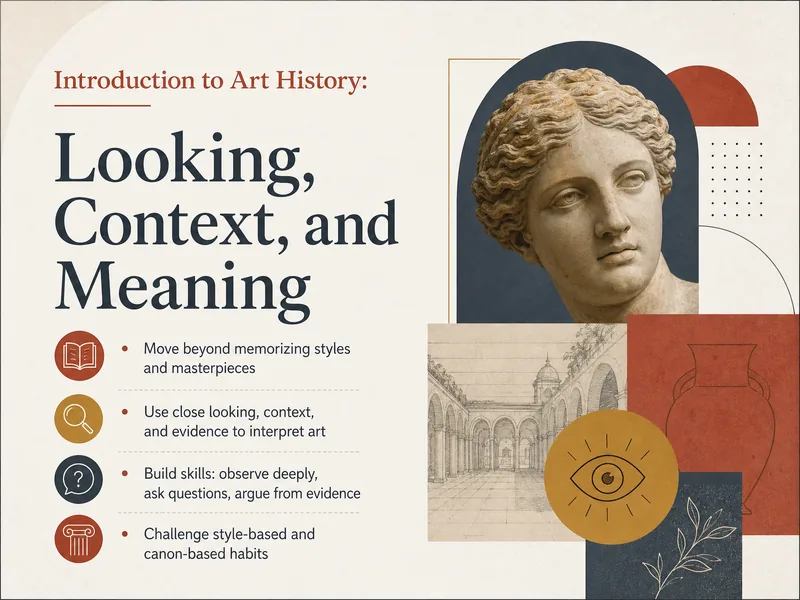
Introduction to Art History
An introductory course guiding learners through the foundational skills of visual analysis, historical context, and interpreting meaning in art.
15 slides·30 min

Museum Object Storytelling
Learn how museums craft narratives through objects, exploring techniques for selecting, displaying, and interpreting artifacts to engage audiences in meaningful storytelling.
14 slides·28 min
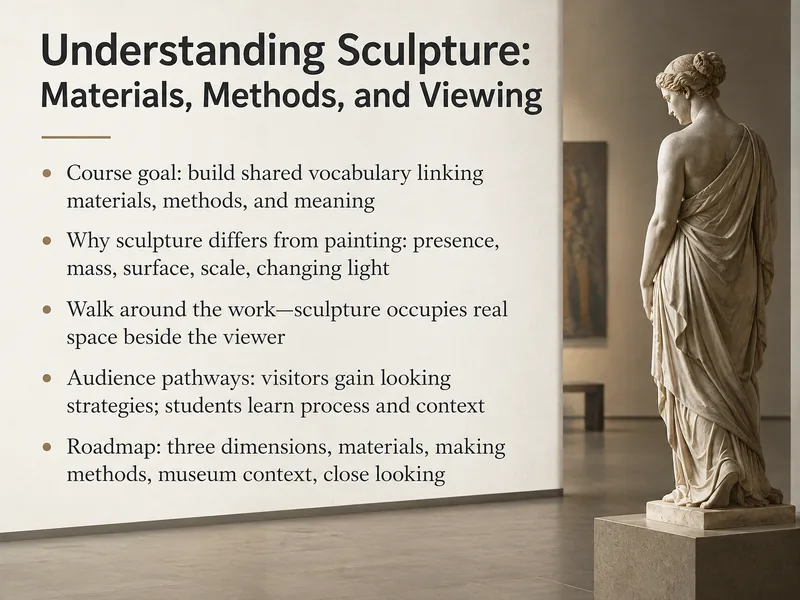
Understanding Sculpture: Materials and Methods
This training explores sculpture's materials, methods, and viewing practices, helping learners analyze and interpret sculptural works with confidence.
14 slides·28 min
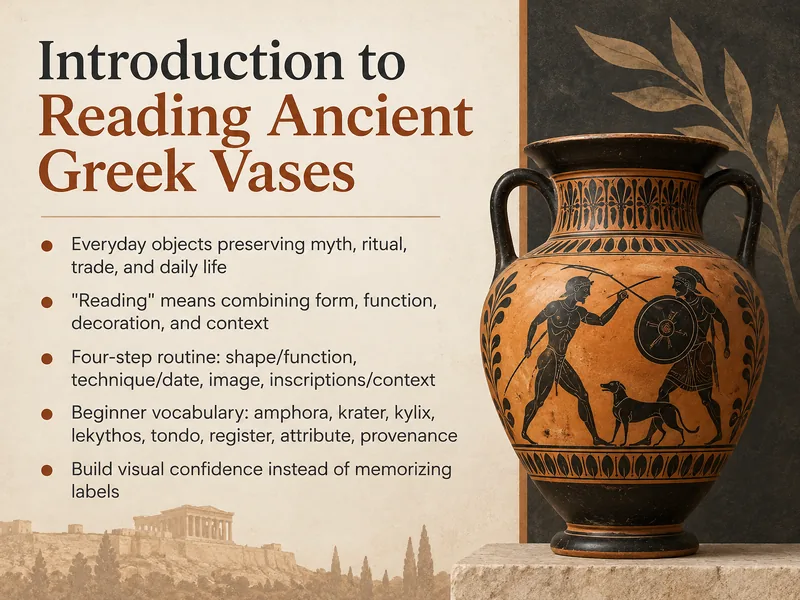
Reading Ancient Greek Vases
This training teaches participants to analyze and interpret ancient Greek vases, focusing on visual storytelling, iconography, and cultural context. Ideal for students and enthusiasts of classical art and archaeology.
14 slides·28 min
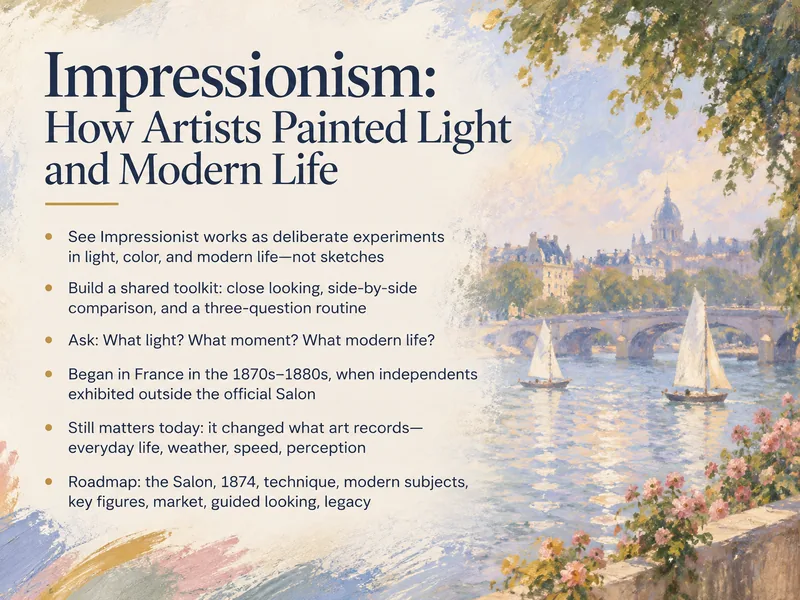
Impressionism: Painting Light and Modern Life
This training explores how Impressionist artists captured light and modern life, designed for learners interested in art history and visual analysis.
13 slides·26 min
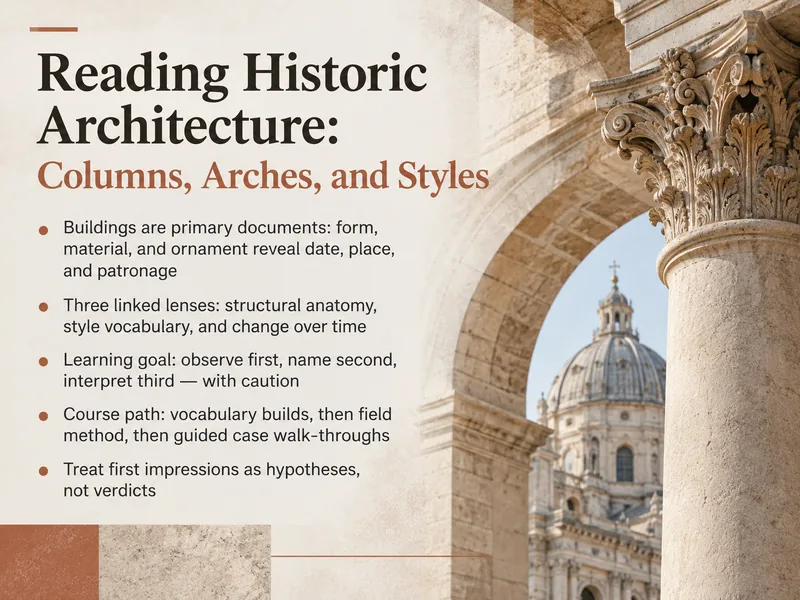
Reading Historic Architecture: Columns & Arches
This training teaches learners to identify and interpret historic architectural elements—columns, arches, and styles—building skills to read and understand buildings.
14 slides·28 min
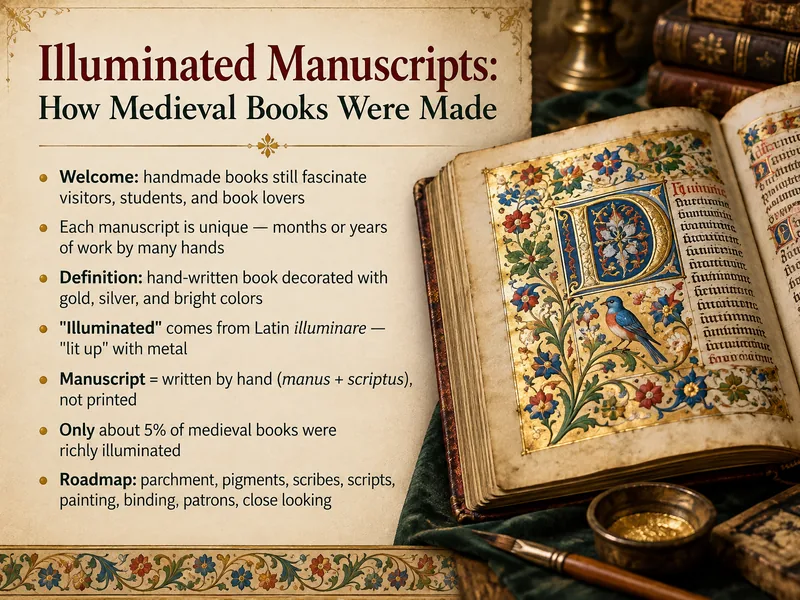
Medieval Manuscript Production
Discover how medieval illuminated manuscripts were created, from parchment and ink to gold leaf and binding, for anyone interested in book history and medieval craft.
14 slides·28 min
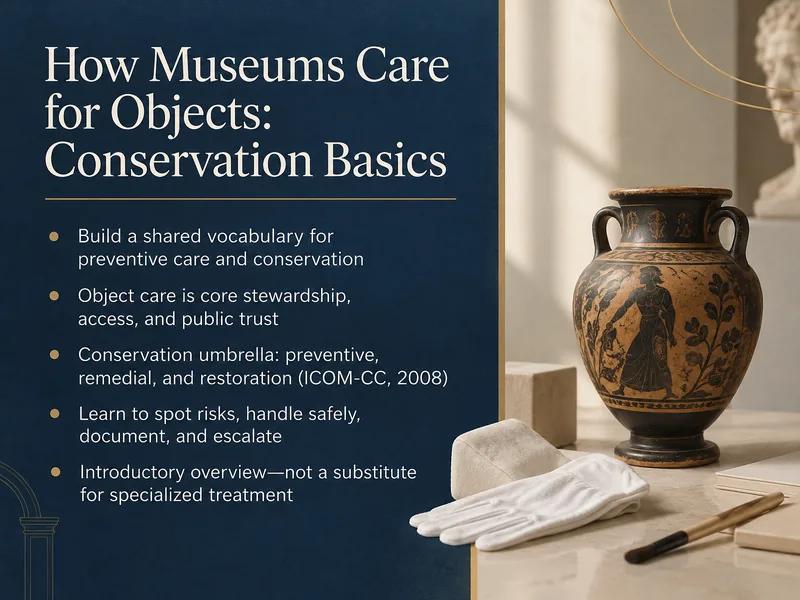
Museum Object Conservation Basics
This training introduces museum conservation basics, teaching staff and volunteers how institutions preserve, handle, and protect collection objects.
14 slides·28 min
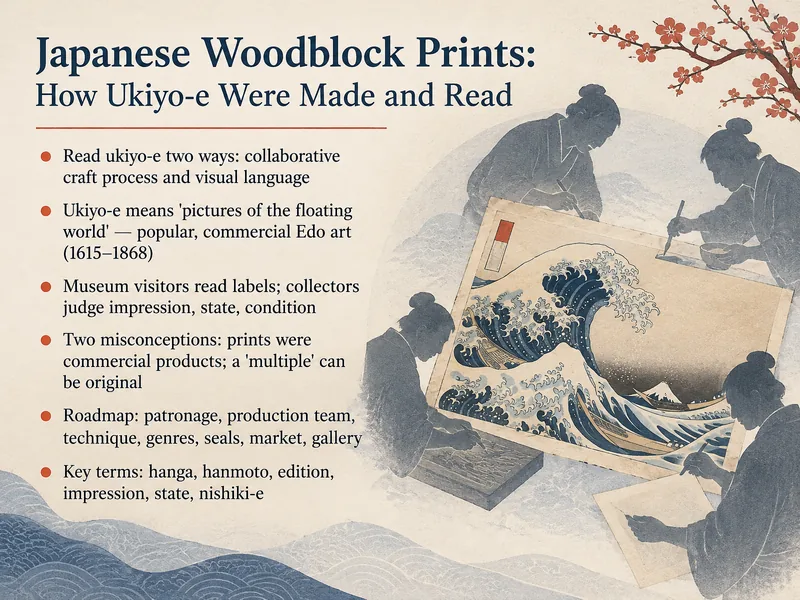
Japanese Woodblock Prints: Making and Reading Ukiyo-e
This training explores how Japanese ukiyo-e woodblock prints were produced and interpreted, guiding learners through the collaborative process and visual reading of these works.
14 slides·28 min
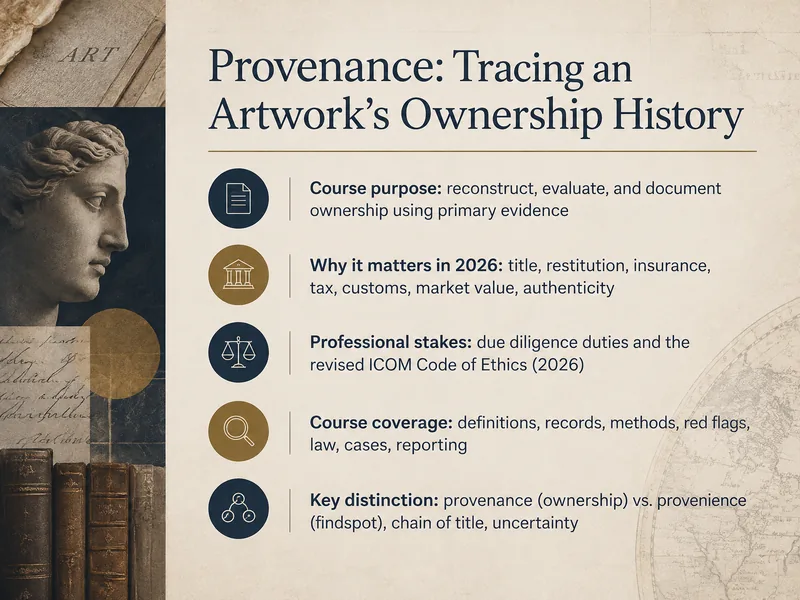
Artwork Ownership History
This training teaches art professionals how to trace an artwork's ownership history, covering provenance research methods and documentation standards.
14 slides·28 min
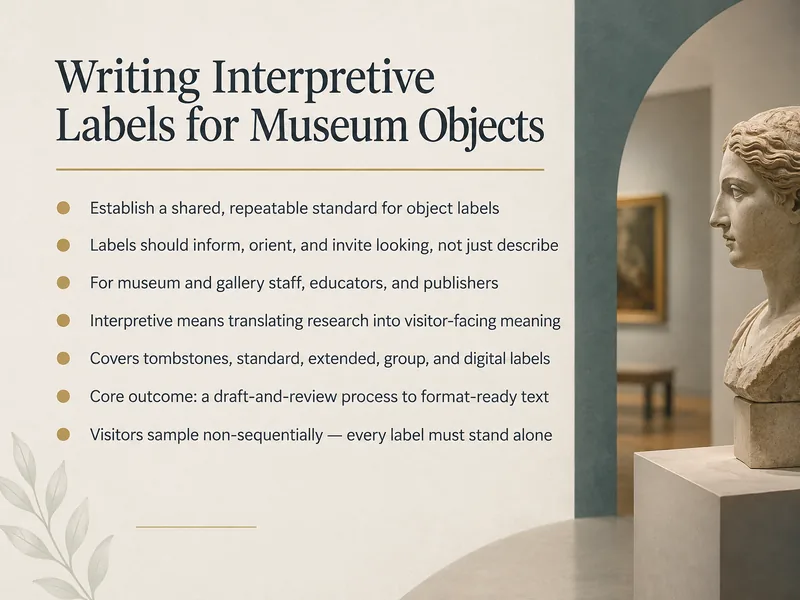
Museum Interpretive Label Writing
This training helps museum staff and volunteers write clear, engaging interpretive labels that connect visitors with objects and enhance their understanding of exhibits.
14 slides·28 min
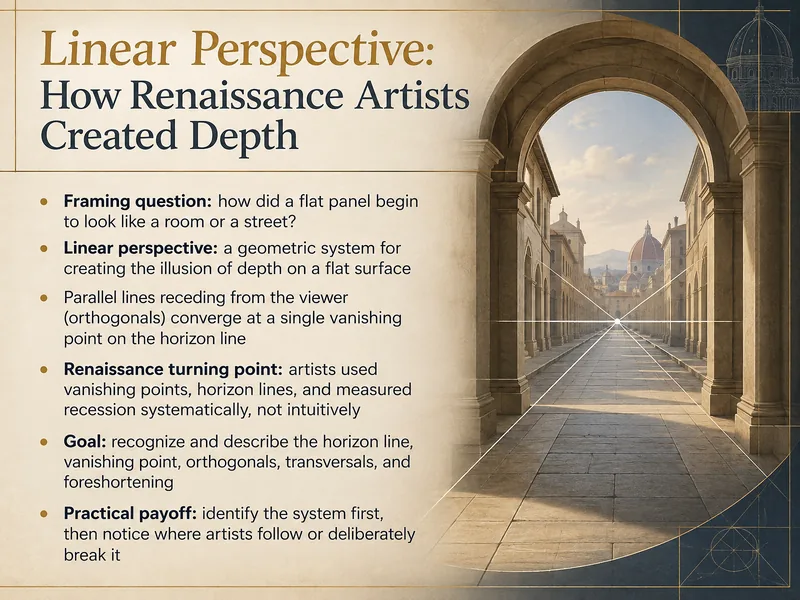
Linear Perspective in Renaissance Art
This training explores how Renaissance artists used linear perspective to create depth, teaching learners the core principles behind this foundational technique.
14 slides·28 min