Chemistry
15 courses·EN
Connect the structure of atoms with bonds, matter, and chemical behavior.
Build the vocabulary before comparing specific properties such as acidity. Biology & Ecology examines living systems that depend on these foundations.
A route through the topic
Start with the introductory explanation below, then choose a focused lesson for the task or question you want to explore.
Courses in this topic
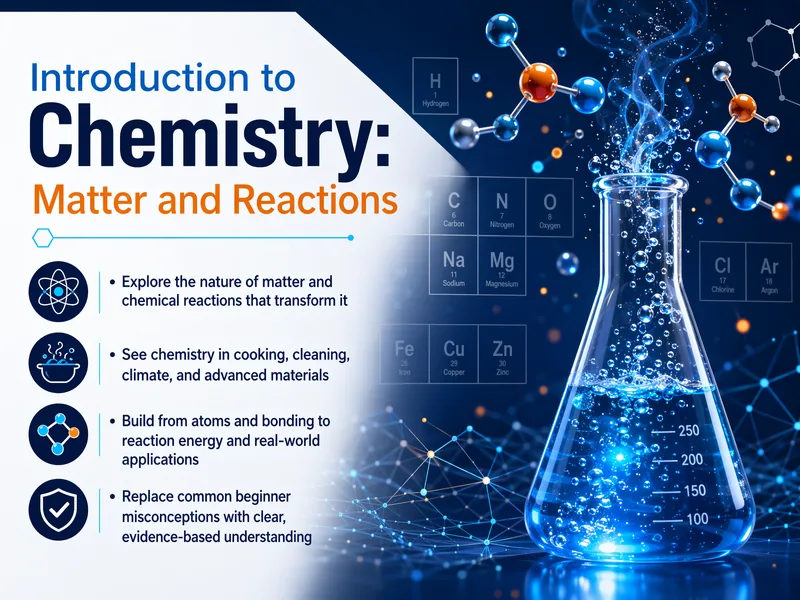
Introduction to Chemistry: Matter and Reactions
An introductory course covering the fundamentals of chemistry, including matter, its properties, and chemical reactions, designed for beginners.
16 slides·32 min
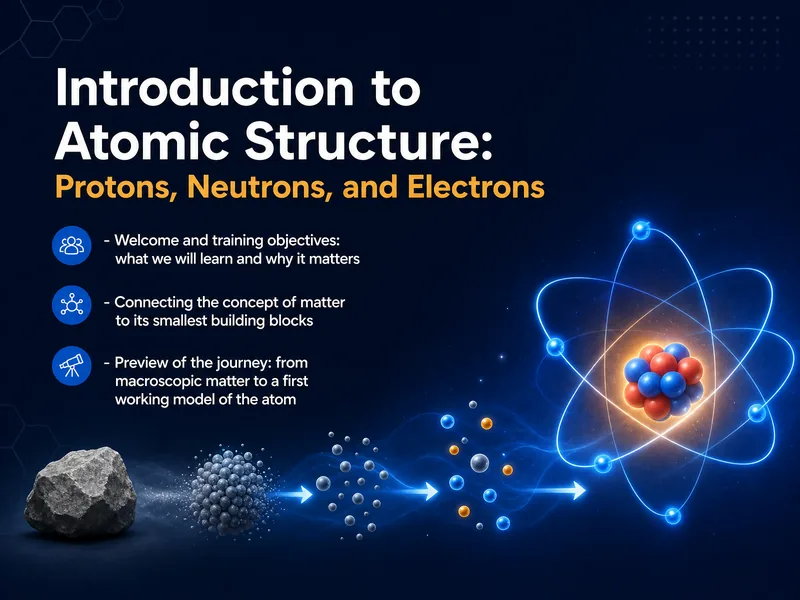
Atomic Structure: Protons, Neutrons, Electrons
This training introduces the basic atomic structure, covering protons, neutrons, and electrons, for learners new to chemistry.
15 slides·30 min
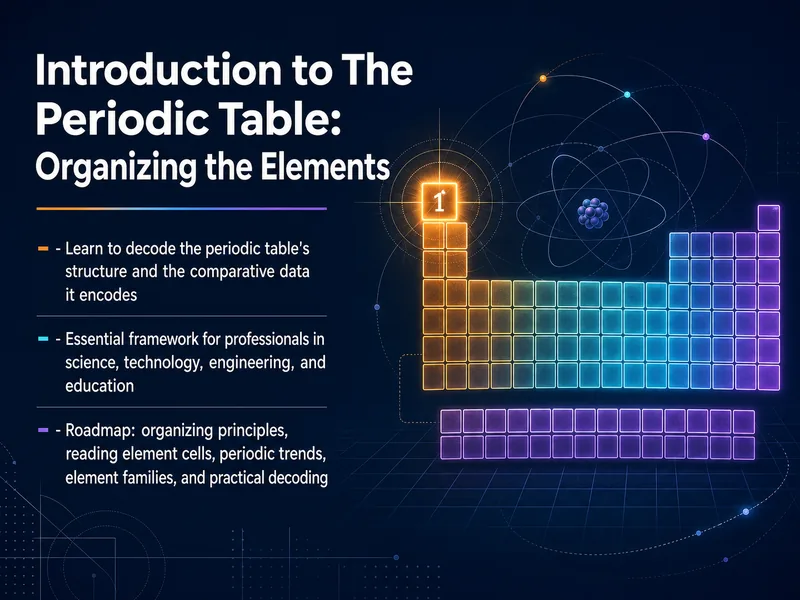
Organizing the Periodic Table
This training introduces the periodic table's structure and organization, helping learners understand how elements are classified by properties and atomic number.
13 slides·26 min
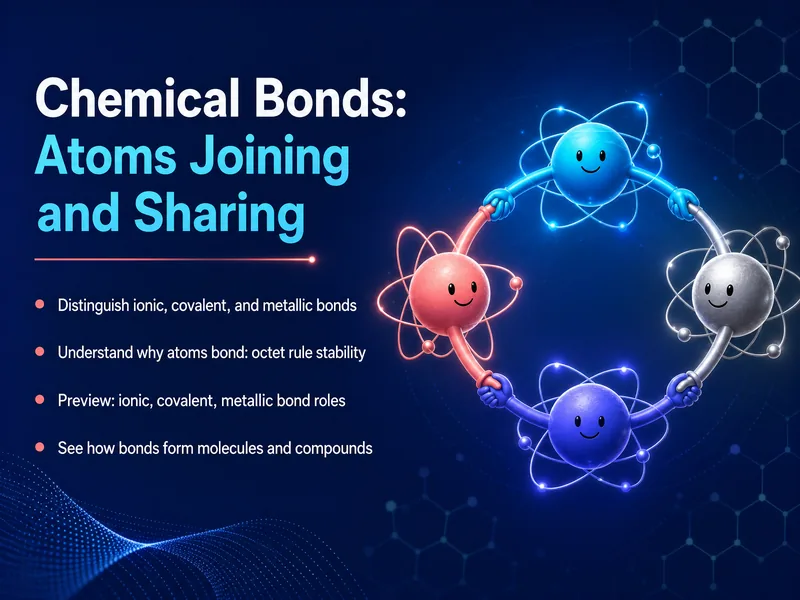
Chemical Bonds: Atoms Joining and Sharing
Learn how atoms bond through ionic and covalent interactions to form molecules in this foundational chemistry training.
15 slides·30 min
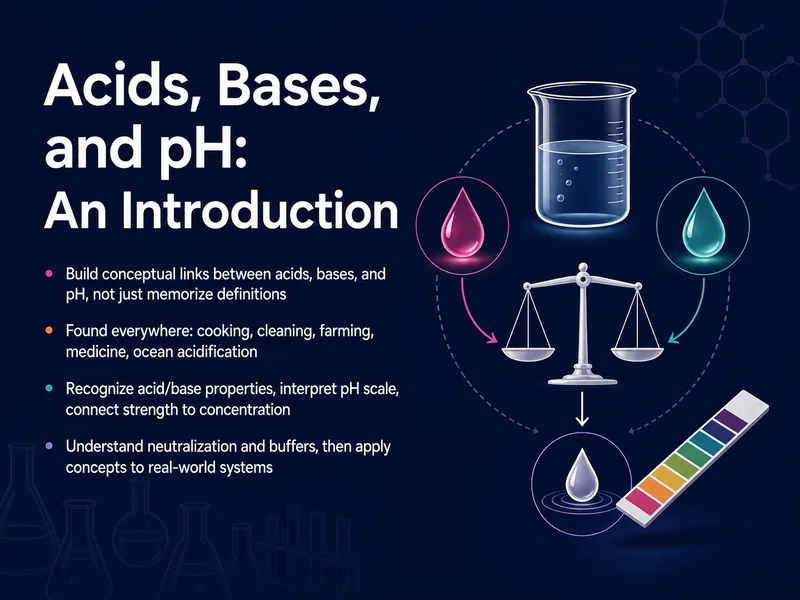
Acids, Bases, and pH
An introductory course on acids, bases, and pH, designed for beginners to understand fundamental concepts and measurement principles.
13 slides·26 min
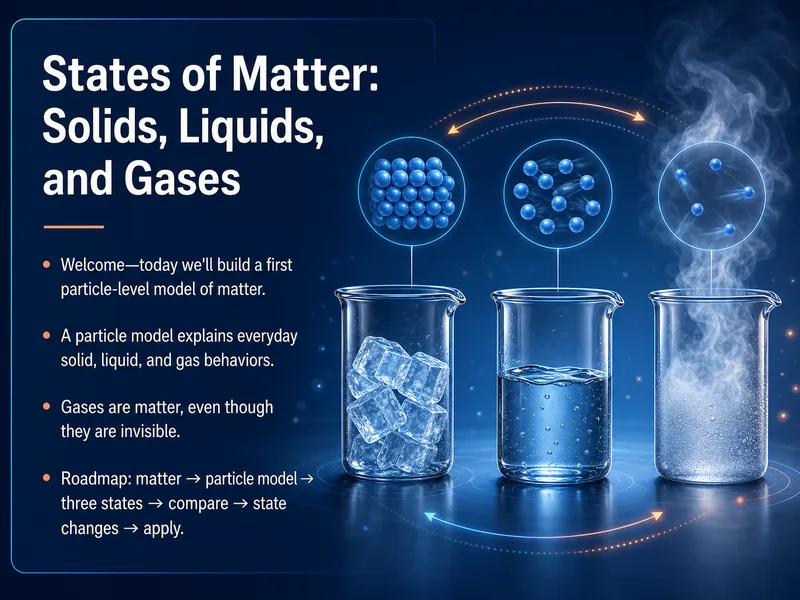
States of Matter: Solids, Liquids, Gases
This training explores the three states of matter—solids, liquids, and gases—and is designed for learners to understand their properties and differences.
12 slides·24 min
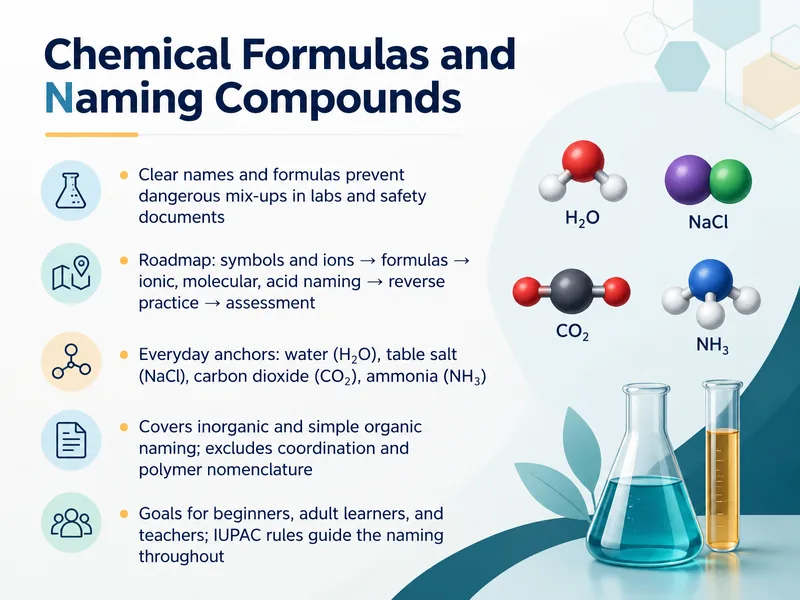
Chemical Formulas and Compound Naming
Learn to write and interpret chemical formulas and name ionic and covalent compounds using systematic IUPAC rules. Ideal for introductory chemistry students.
14 slides·28 min
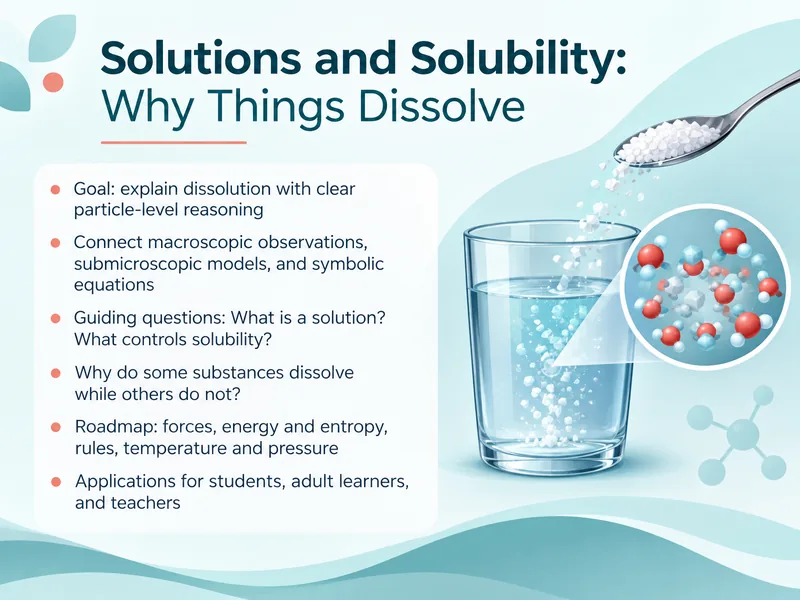
Solutions and Solubility: Why Things Dissolve
This training explains the science of solubility and why substances dissolve, helping learners understand core chemistry concepts behind solutions and dissolution.
14 slides·28 min
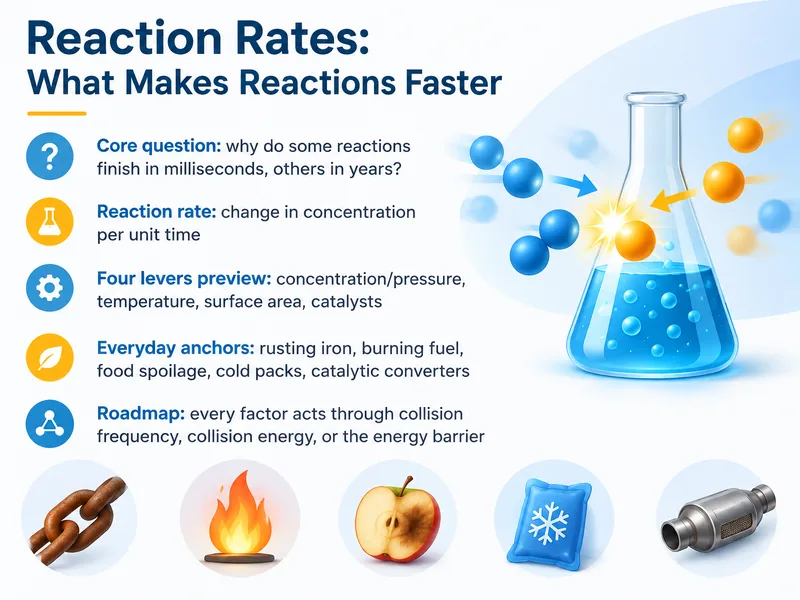
Reaction Rates: What Makes Reactions Faster
This training explains the factors that influence reaction rates and what makes chemical reactions faster. It is designed for chemistry students and learners seeking a clear understanding of reaction kinetics.
14 slides·28 min
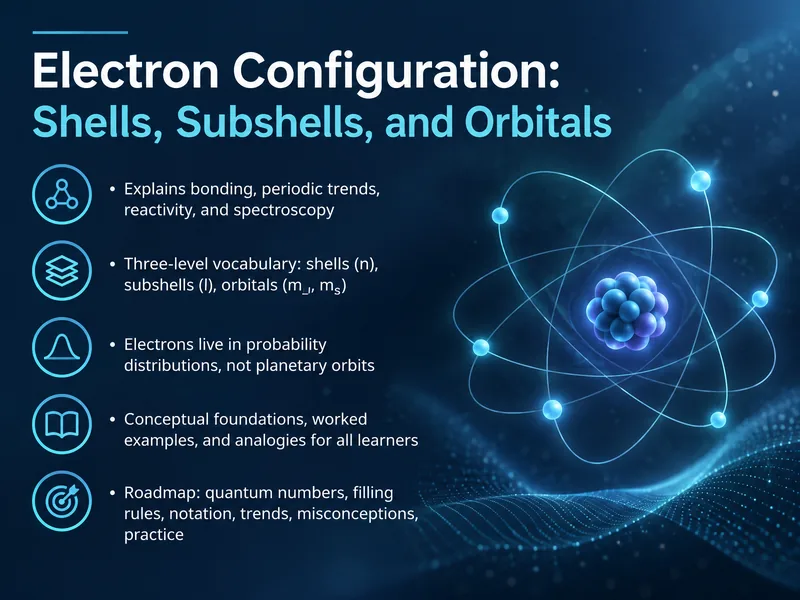
Electron Configuration Fundamentals
This training explains electron shells, subshells, and orbitals, helping chemistry students master electron configuration and predict atomic behavior.
14 slides·28 min
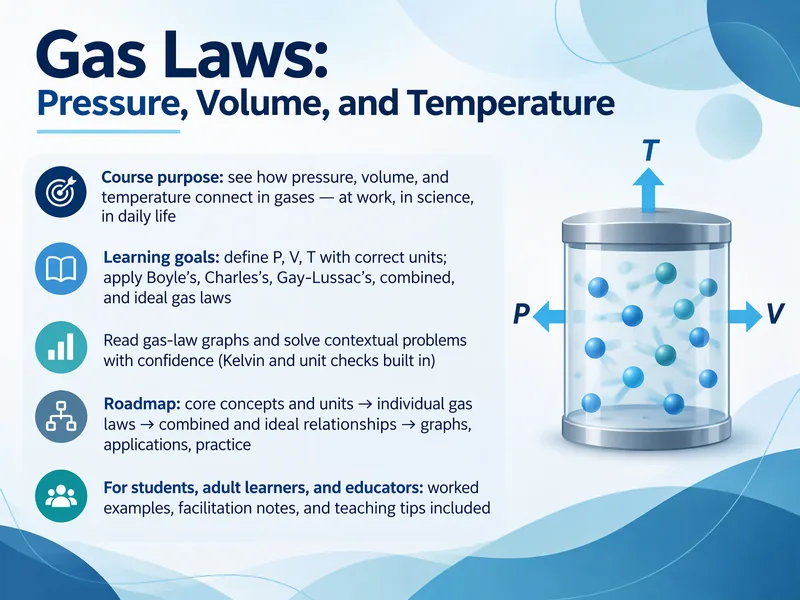
Gas Laws: Pressure, Volume, and Temperature
This training covers the gas laws relating pressure, volume, and temperature, helping learners understand and apply these core concepts to real-world scenarios.
14 slides·28 min
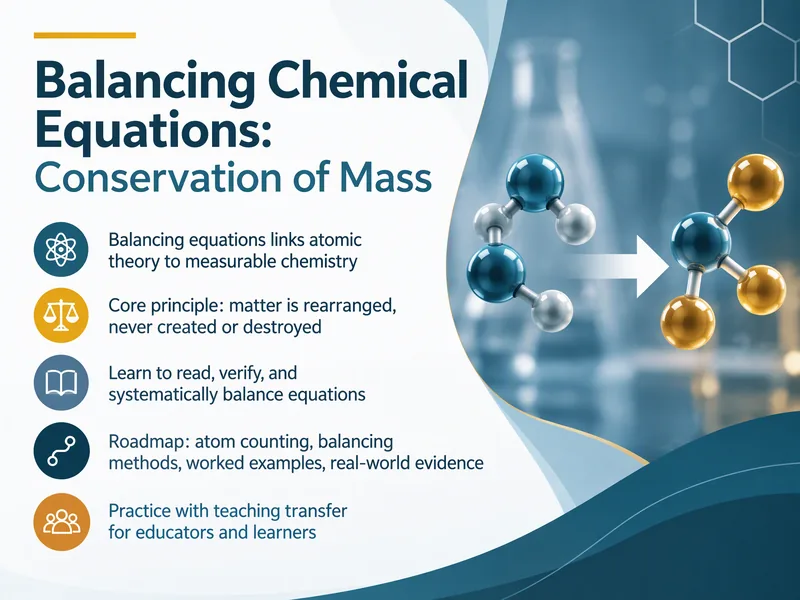
Balancing Chemical Equations: Conservation of Mass
This training teaches learners to balance chemical equations using the law of conservation of mass, building essential stoichiometry skills for chemistry students.
14 slides·28 min
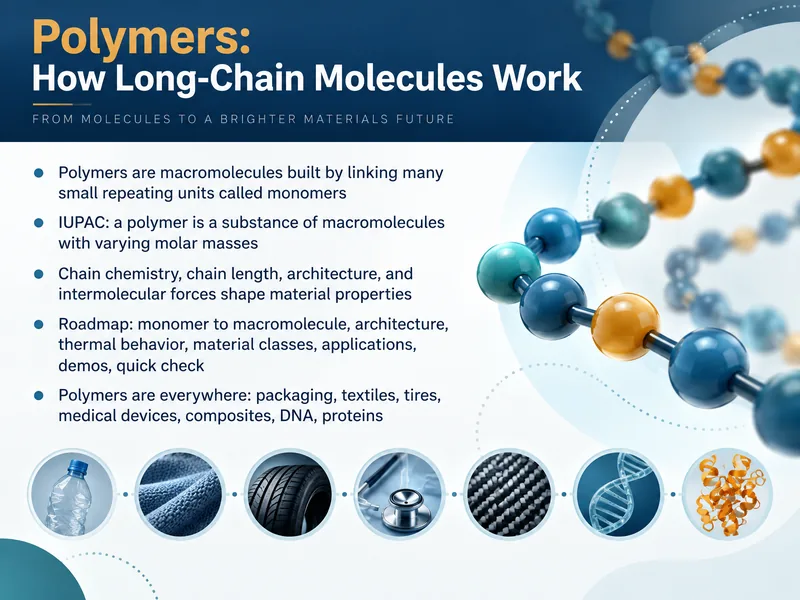
Polymer Science: Long-Chain Molecules
This training explains how long-chain polymer molecules work, helping learners understand polymer structure and behavior.
11 slides·22 min
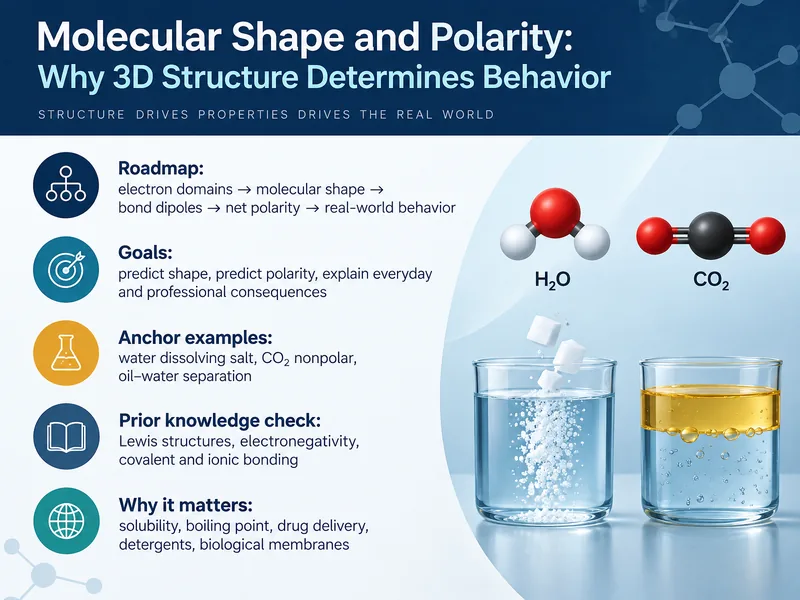
Molecular Shape and Polarity
Explore how molecular geometry determines polarity, including VSEPR theory and bond dipoles. Ideal for chemistry students seeking to predict molecular properties.
14 slides·28 min
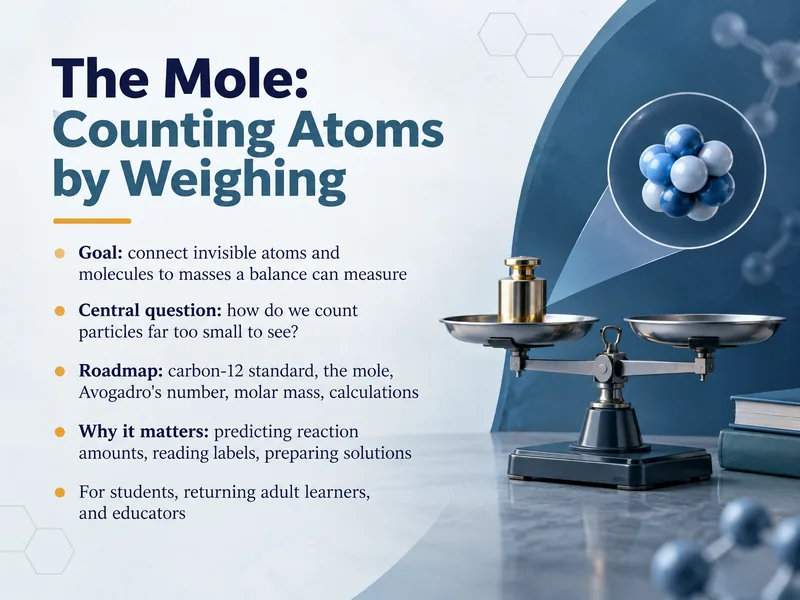
The Mole: Counting Atoms by Weighing
This training teaches chemistry students how to use the mole concept to count atoms by weighing substances, connecting mass measurements to atomic-scale quantities.
14 slides·28 min