Earth Science
15 courses·EN
Examine Earth’s materials, atmosphere, weather, and interconnected physical cycles.
Choose the system you want to understand, then connect its processes and evidence. Astronomy addresses Earth’s wider setting, while Biology & Ecology covers living systems.
A route through the topic
Start with the introductory explanation below, then choose a focused lesson for the task or question you want to explore.
Courses in this topic
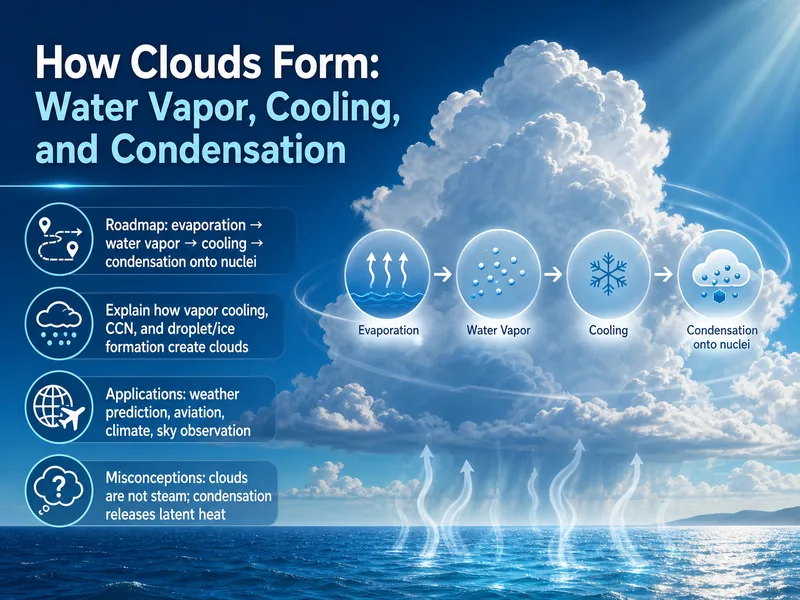
Cloud Formation Fundamentals
Learn how clouds form through water vapor, cooling, and condensation processes. Ideal for weather enthusiasts and students seeking a clear, concise foundation in basic atmospheric science.
15 slides·30 min
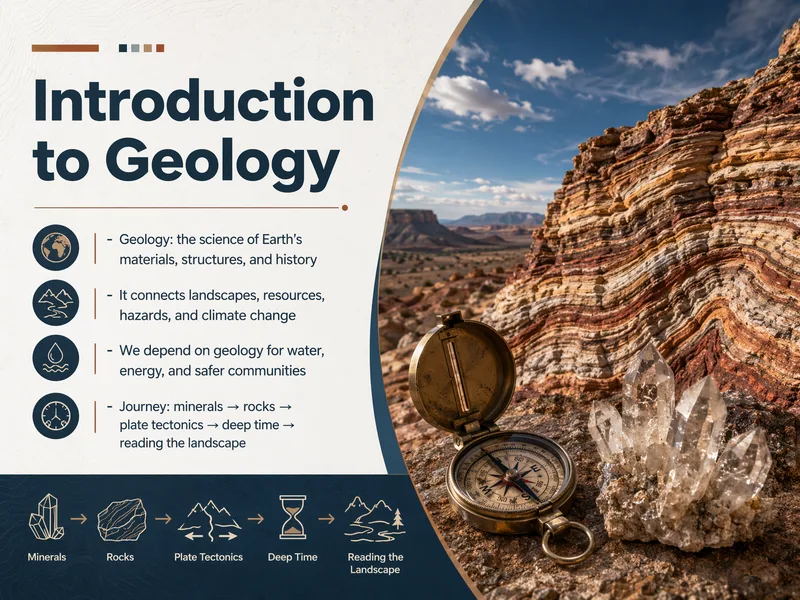
Introduction to Geology
This training introduces the fundamentals of geology, covering Earth's structure, processes, and materials for beginners.
20 slides·40 min
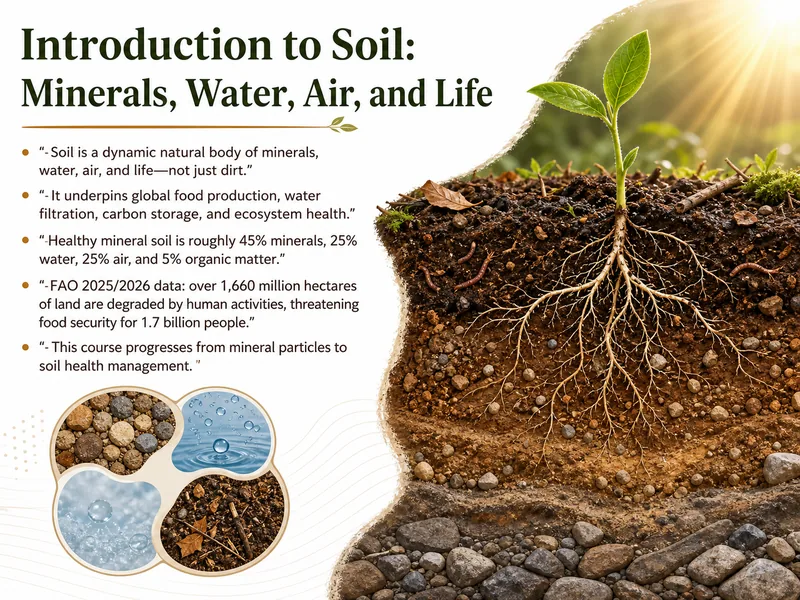
Introduction to Soil Composition
Learn the fundamentals of soil composition—minerals, water, air, and life—and their roles in supporting ecosystems.
16 slides·32 min
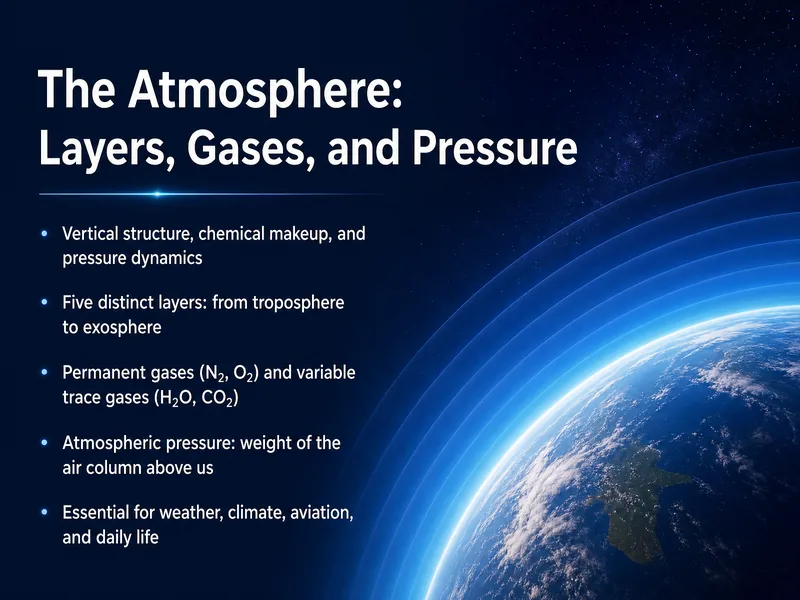
Atmosphere: Layers, Gases, and Pressure
This training provides an overview of the atmosphere's layers, composition, and pressure, designed for learners seeking foundational knowledge in atmospheric science.
15 slides·30 min
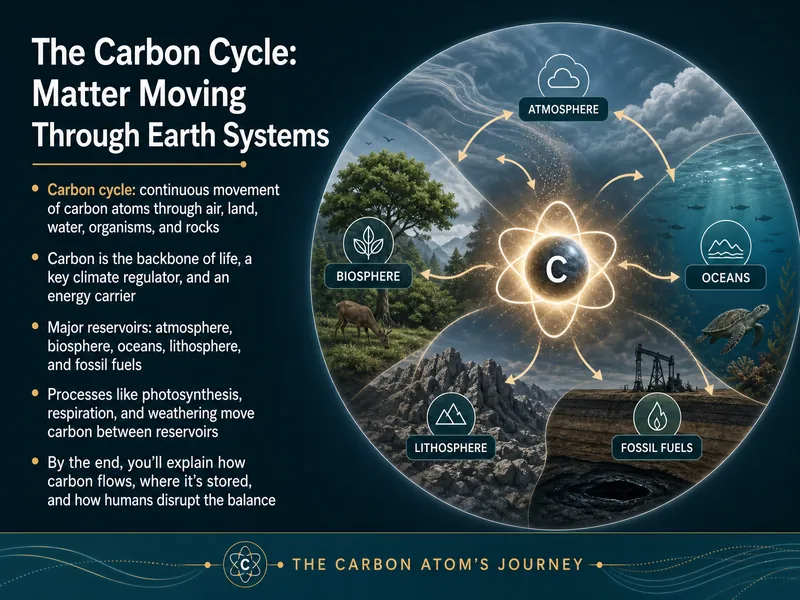
Carbon Cycle Through Earth Systems
In this training, learners explore how carbon moves through Earth's systems—atmosphere, biosphere, hydrosphere, and geosphere—to understand the carbon cycle's role in climate and life.
16 slides·32 min
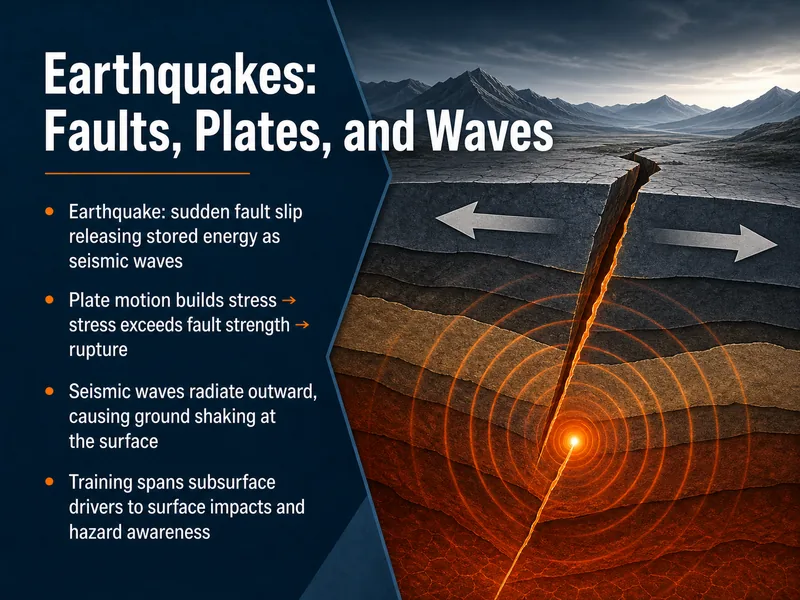
Earthquakes: Faults, Plates, and Waves
This training explains the science of earthquakes, including fault types, plate tectonics, and seismic waves, for learners seeking foundational geoscience knowledge.
16 slides·32 min
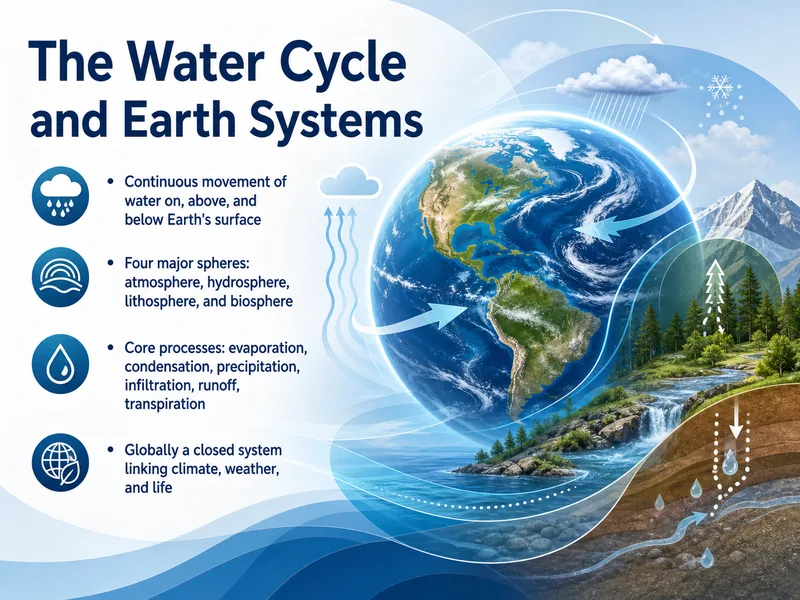
The Water Cycle and Earth Systems
An overview of the water cycle and its role within Earth's systems, designed for learners to understand key processes and interactions.
12 slides·24 min
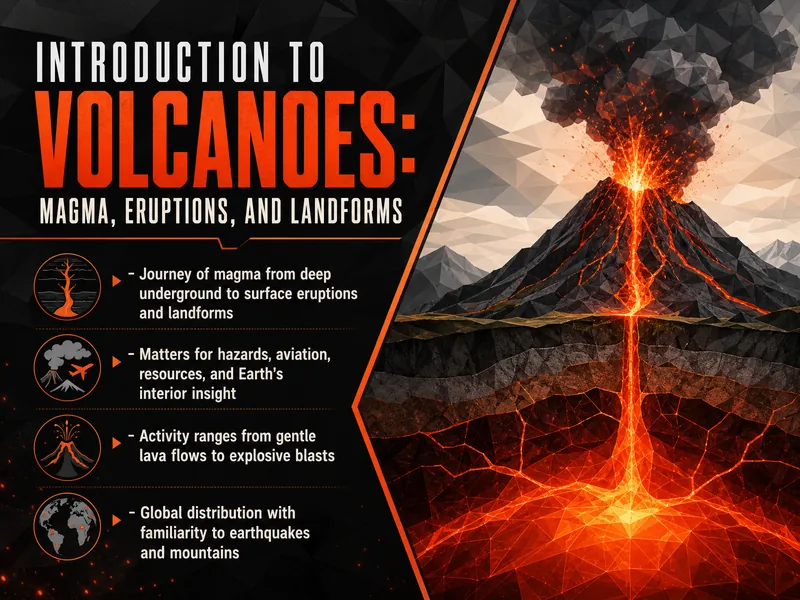
Volcanoes: Magma, Eruptions, Landforms
This training provides an overview of volcanoes, covering magma, eruption types, and the landforms they create for geology enthusiasts.
13 slides·26 min
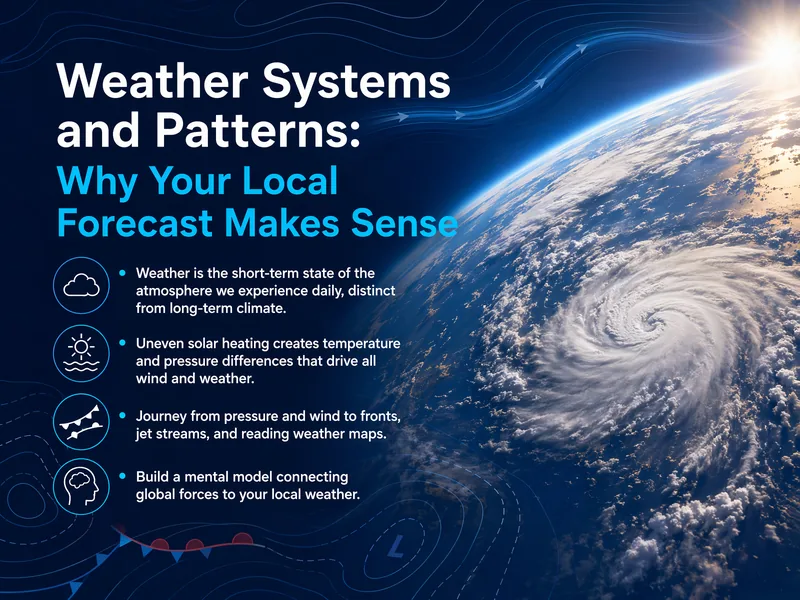
Weather Systems and Patterns
This training covers the fundamentals of weather systems and patterns, helping learners understand atmospheric processes and forecast conditions.
16 slides·32 min
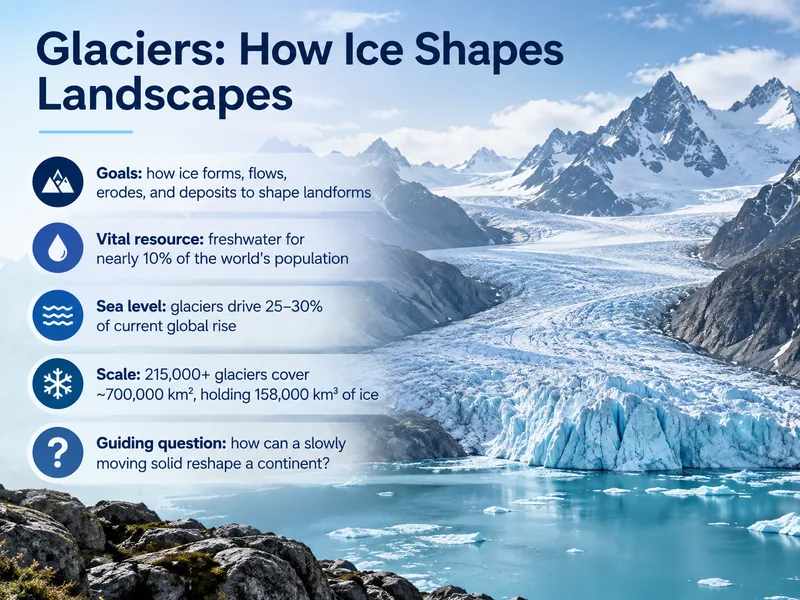
Glaciers: How Ice Shapes Landscapes
This training explores how glaciers shape landscapes, helping learners understand glacial processes and their impact on landforms. Ideal for students and enthusiasts of geology and physical geography.
14 slides·28 min
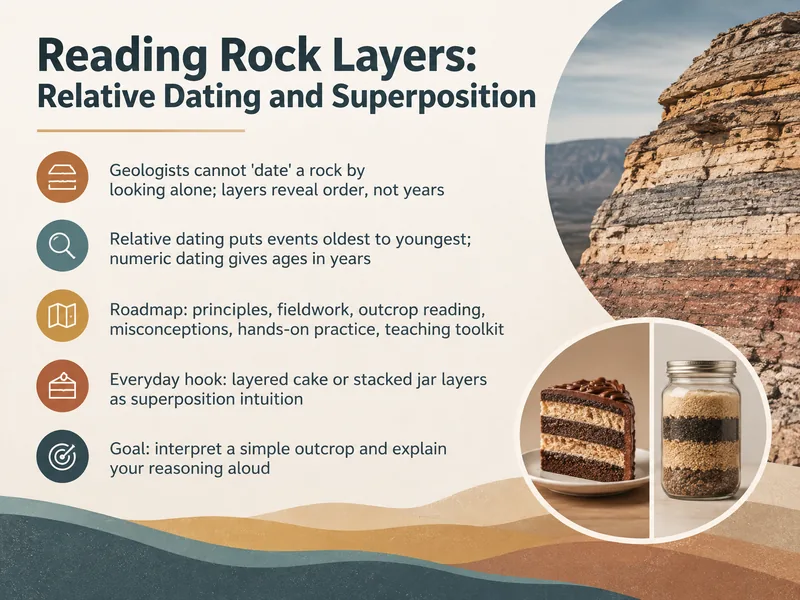
Reading Rock Layers: Relative Dating & Superposition
This training teaches learners to interpret rock layers using relative dating and superposition principles to determine the sequence of geological events.
13 slides·26 min
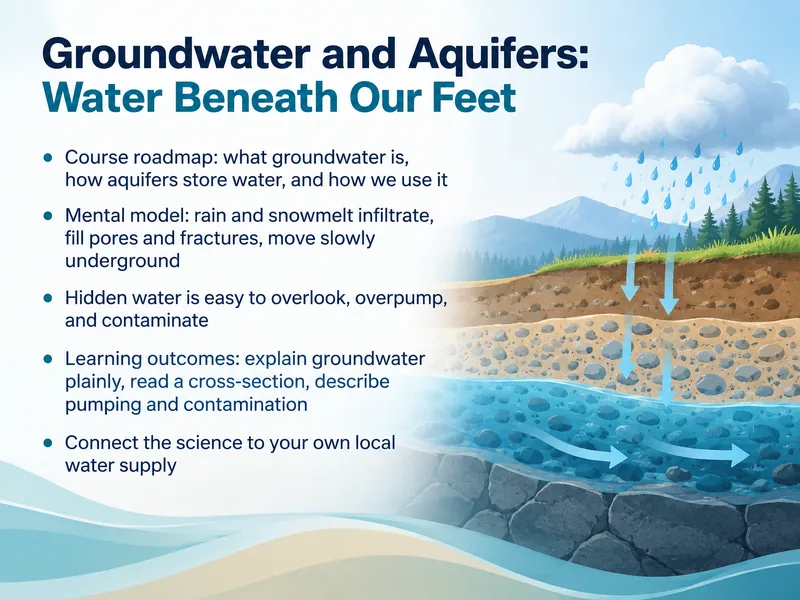
Groundwater and Aquifers Fundamentals
Learn how groundwater moves through and is stored in aquifers, and why these hidden water resources matter for sustainable water management.
14 slides·28 min
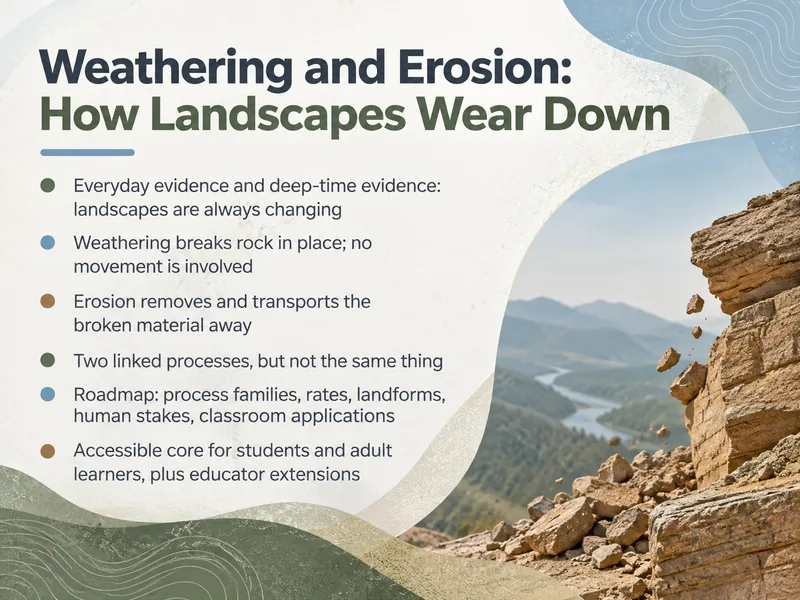
Weathering and Erosion: Landscape Change
This training explains weathering and erosion processes for learners studying how natural forces shape and wear down landscapes.
14 slides·28 min
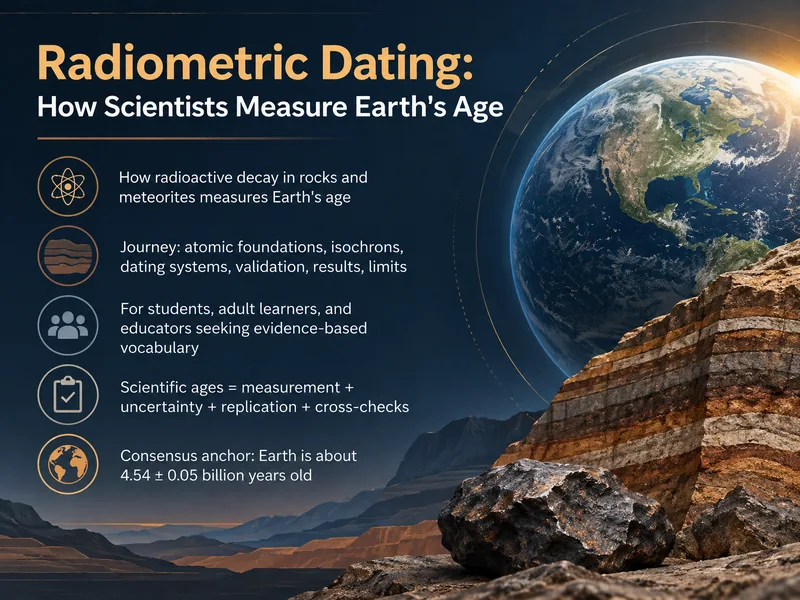
Radiometric Dating: Measuring Earth's Age
This training explains radiometric dating methods and how scientists use them to measure Earth's age, designed for students and science learners.
13 slides·26 min
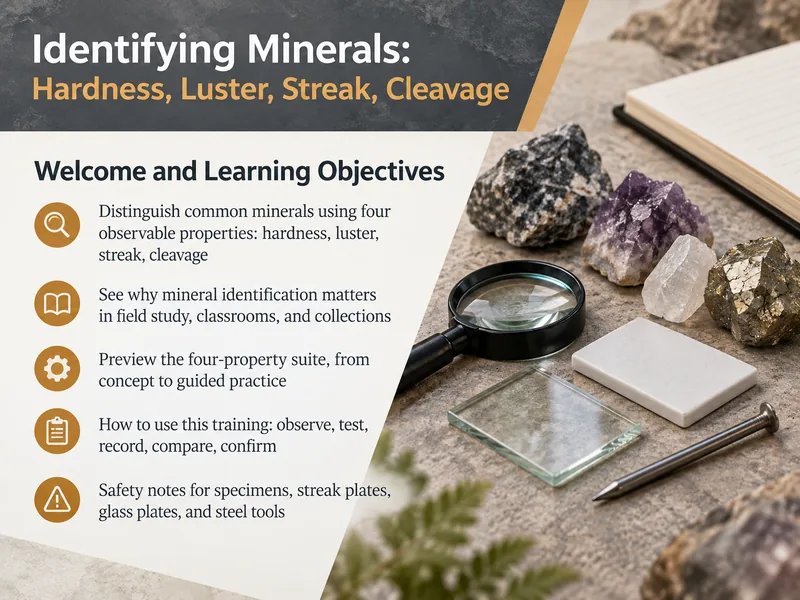
Identifying Minerals by Physical Properties
This training teaches learners to identify minerals using hardness, luster, streak, and cleavage, ideal for geology students and enthusiasts building practical identification skills.
14 slides·28 min