All History & Humanities courses
78 courses
Courses in this topic
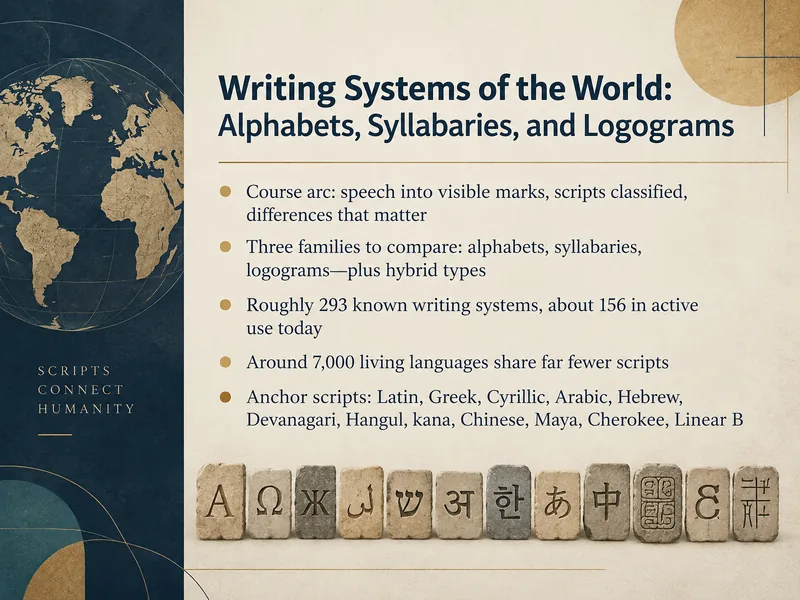
Writing Systems of the World
This training explores the world's major writing systems—alphabets, syllabaries, and logograms—for learners seeking to understand how different cultures represent language in written form.
14 slides·28 min
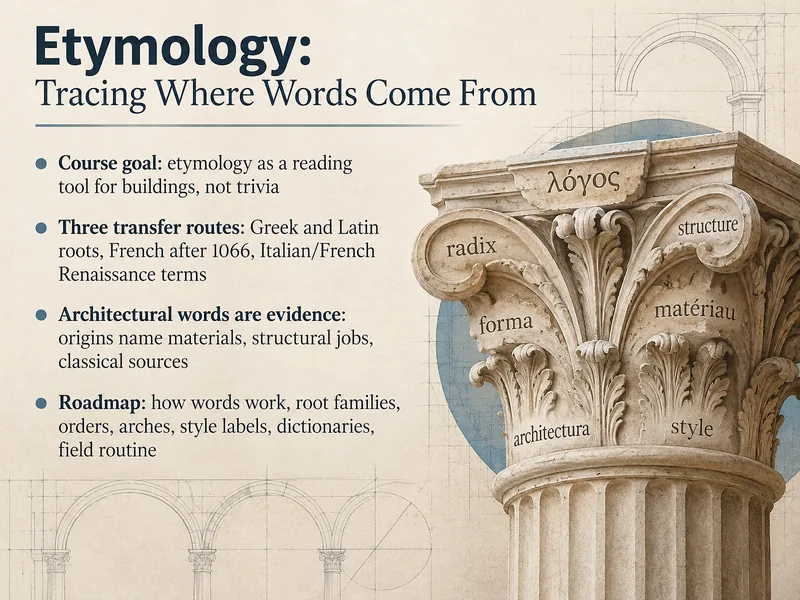
Etymology: Tracing Word Origins
This training teaches learners to trace word origins and understand how etymology reveals meaning, ideal for anyone curious about language history and vocabulary.
14 slides·28 min
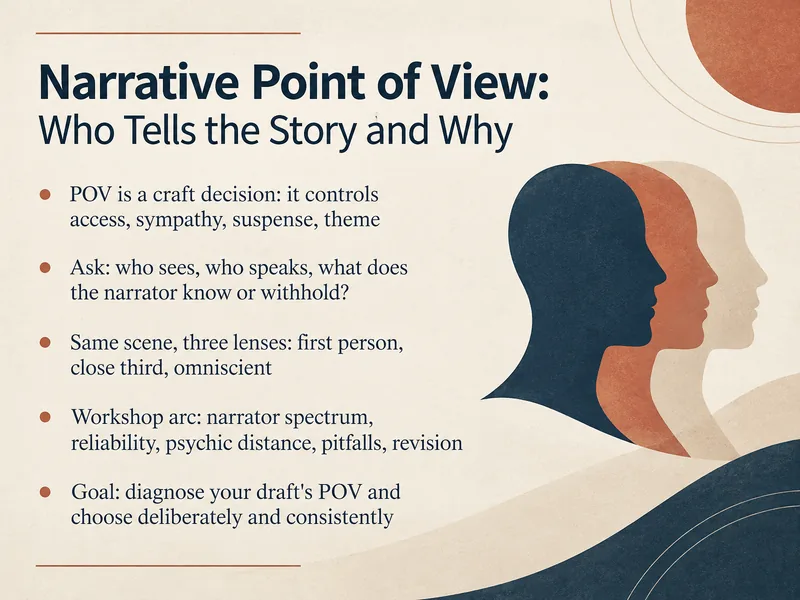
Narrative Point of View: Who Tells the Story
This training explores narrative point of view, helping writers and storytellers understand how narrative perspective shapes storytelling and why the choice of narrator matters.
14 slides·28 min
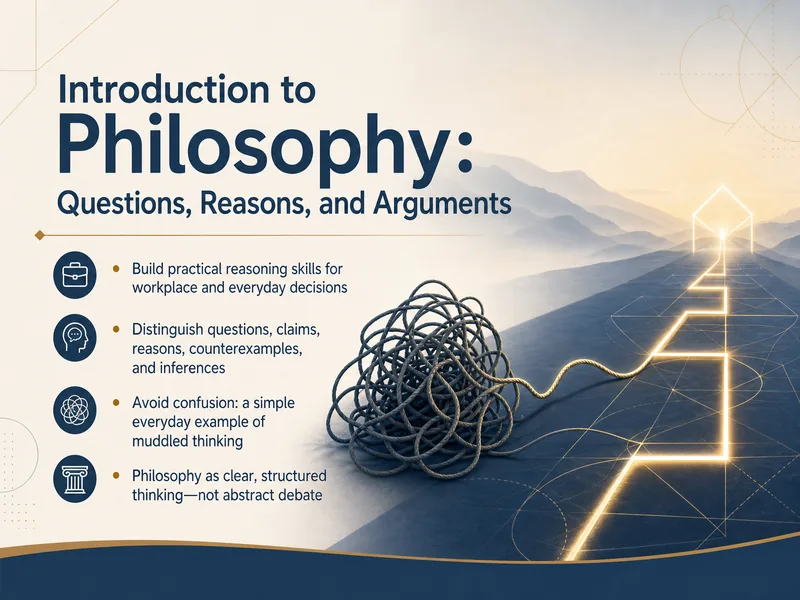
Introduction to Philosophy
This training introduces learners to the foundational tools of philosophy, focusing on how to identify, analyze, and evaluate arguments and reasoning.
14 slides·28 min
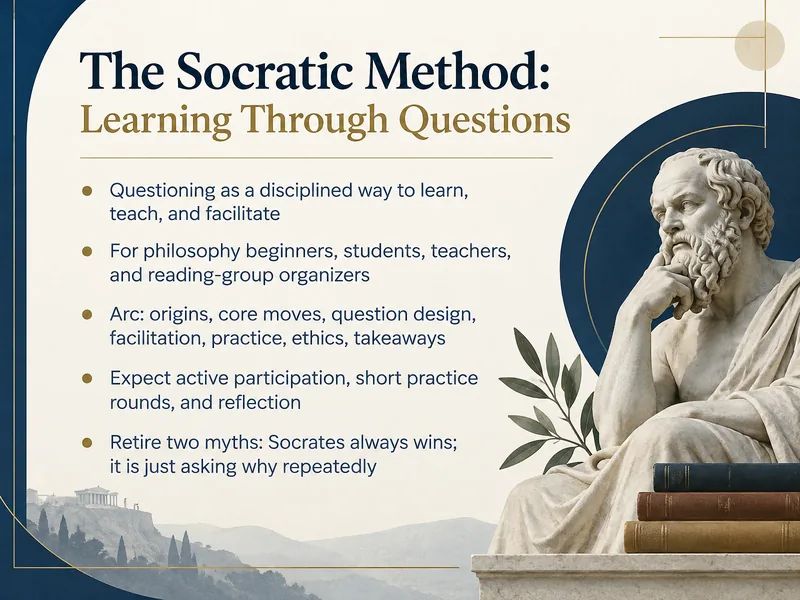
Socratic Method: Learning Through Questions
This training teaches the Socratic method, helping learners use thoughtful questioning to deepen understanding and critical thinking. Ideal for educators and facilitators.
14 slides·28 min
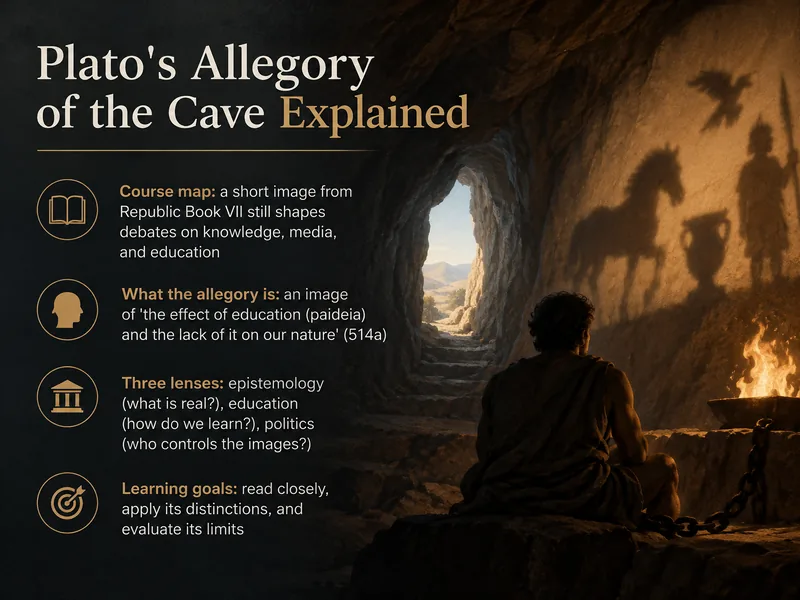
Plato's Allegory of the Cave Explained
This training explains Plato's Allegory of the Cave, helping learners understand its meaning and philosophical significance.
14 slides·28 min
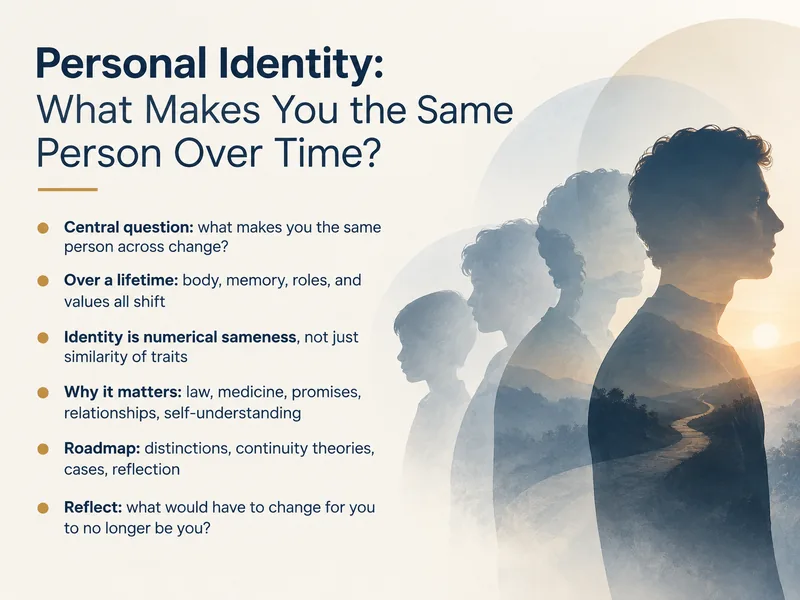
Personal Identity Over Time
This training explores personal identity and what makes you the same person over time. It helps learners examine continuity of self across change.
14 slides·28 min
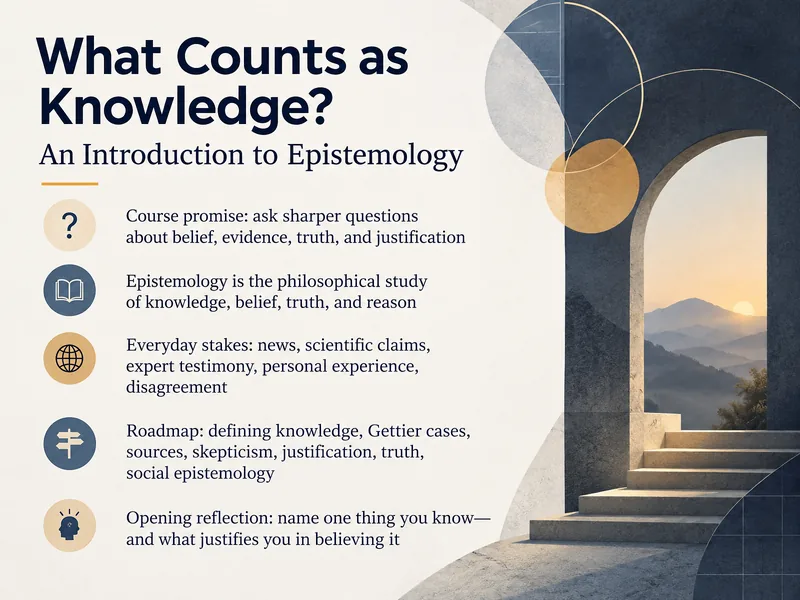
Introduction to Epistemology
This introductory epistemology training explores what counts as knowledge, helping learners understand its nature, sources, and justification. Ideal for students and professionals new to philosophy.
14 slides·28 min

Introduction to Archaeology
Explore the fundamentals of archaeology, including its methods, goals, and how it uncovers the human past.
16 slides·32 min
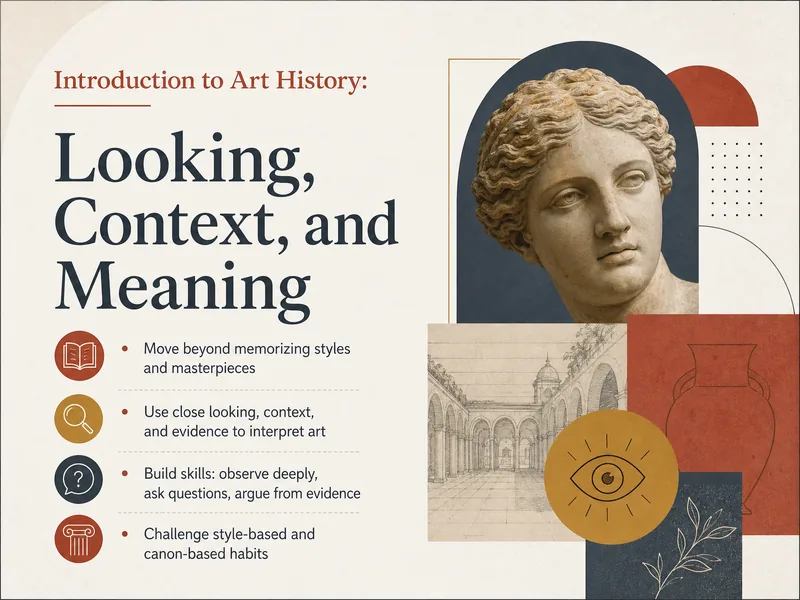
Introduction to Art History
An introductory course guiding learners through the foundational skills of visual analysis, historical context, and interpreting meaning in art.
15 slides·30 min

Museum Object Storytelling
Learn how museums craft narratives through objects, exploring techniques for selecting, displaying, and interpreting artifacts to engage audiences in meaningful storytelling.
14 slides·28 min
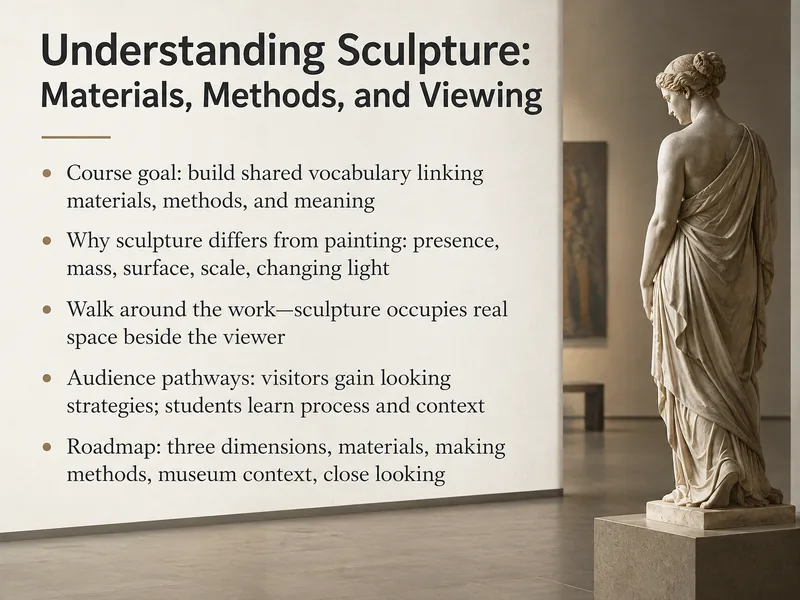
Understanding Sculpture: Materials and Methods
This training explores sculpture's materials, methods, and viewing practices, helping learners analyze and interpret sculptural works with confidence.
14 slides·28 min
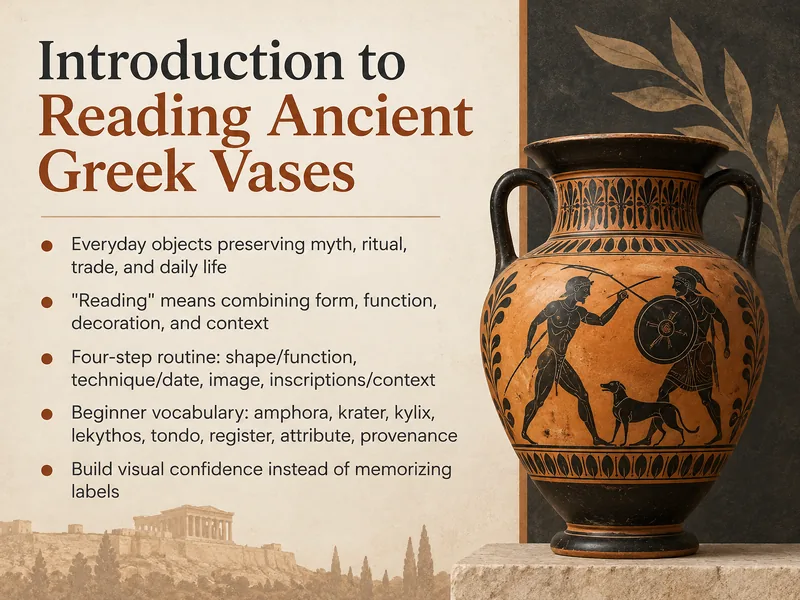
Reading Ancient Greek Vases
This training teaches participants to analyze and interpret ancient Greek vases, focusing on visual storytelling, iconography, and cultural context. Ideal for students and enthusiasts of classical art and archaeology.
14 slides·28 min
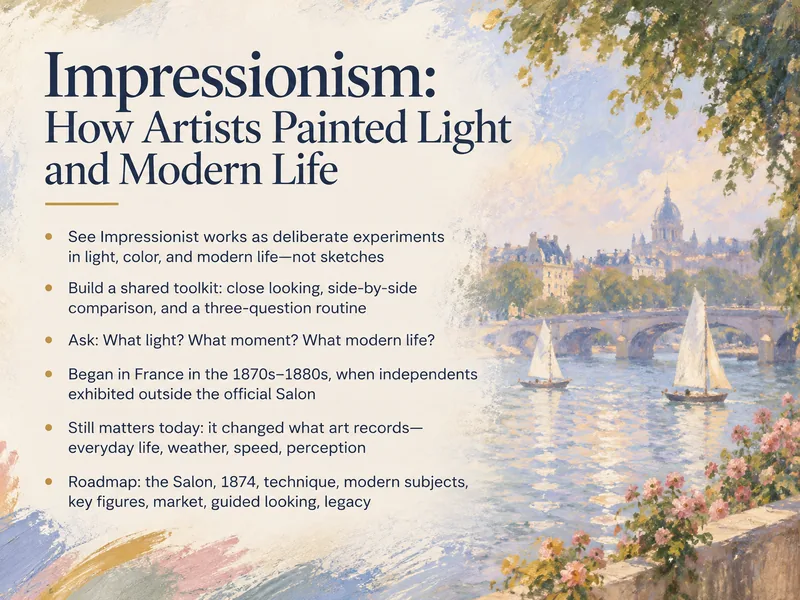
Impressionism: Painting Light and Modern Life
This training explores how Impressionist artists captured light and modern life, designed for learners interested in art history and visual analysis.
13 slides·26 min
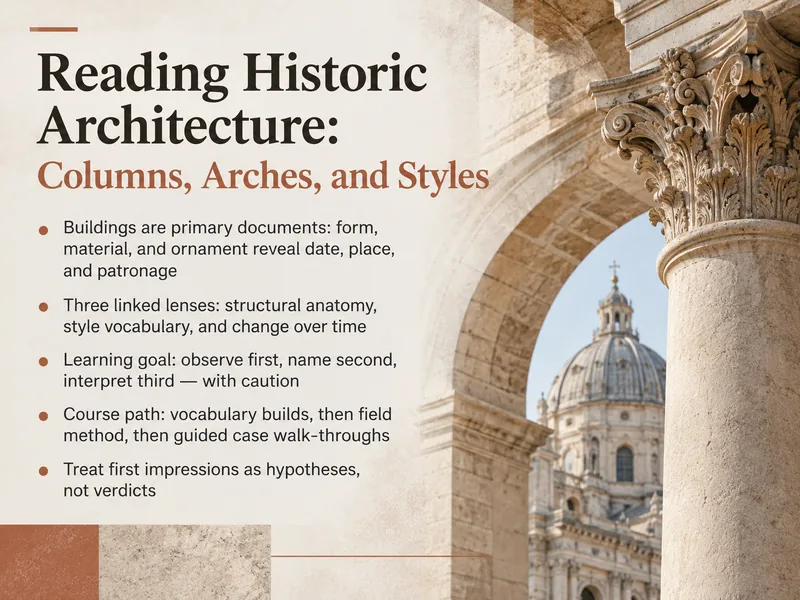
Reading Historic Architecture: Columns & Arches
This training teaches learners to identify and interpret historic architectural elements—columns, arches, and styles—building skills to read and understand buildings.
14 slides·28 min
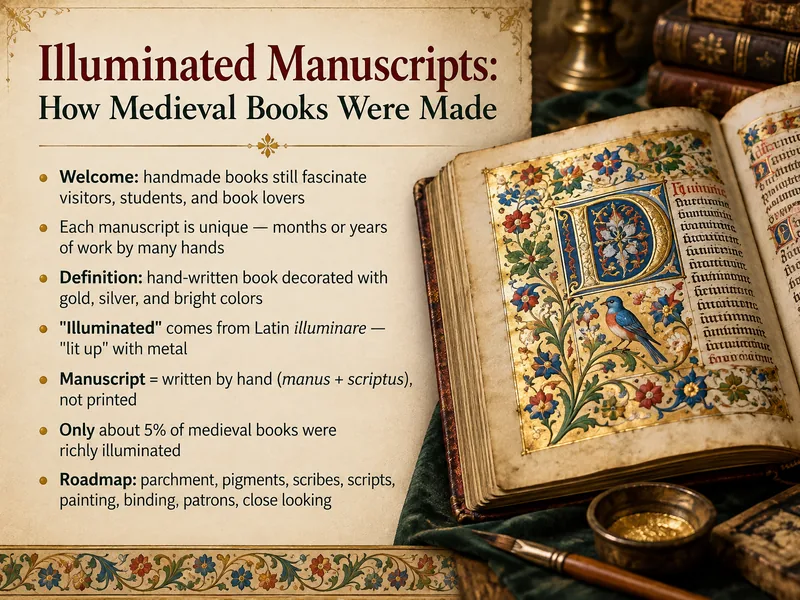
Medieval Manuscript Production
Discover how medieval illuminated manuscripts were created, from parchment and ink to gold leaf and binding, for anyone interested in book history and medieval craft.
14 slides·28 min
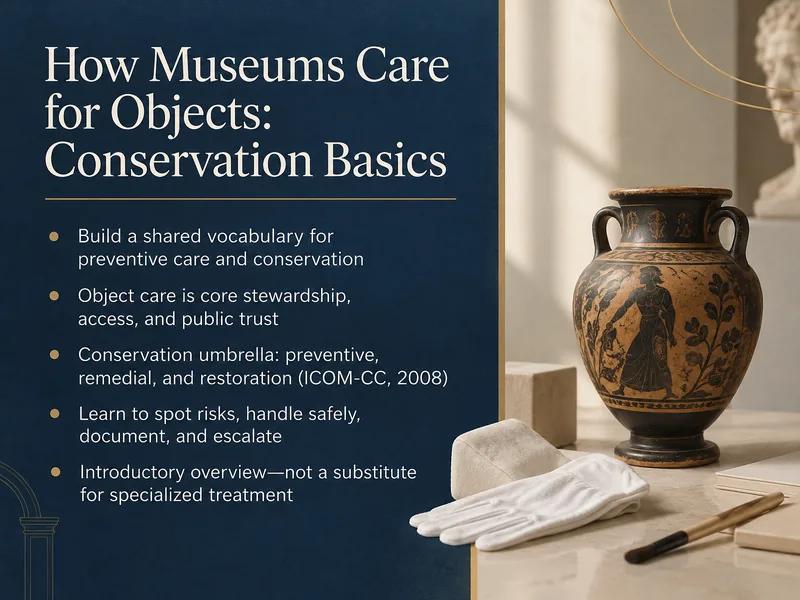
Museum Object Conservation Basics
This training introduces museum conservation basics, teaching staff and volunteers how institutions preserve, handle, and protect collection objects.
14 slides·28 min
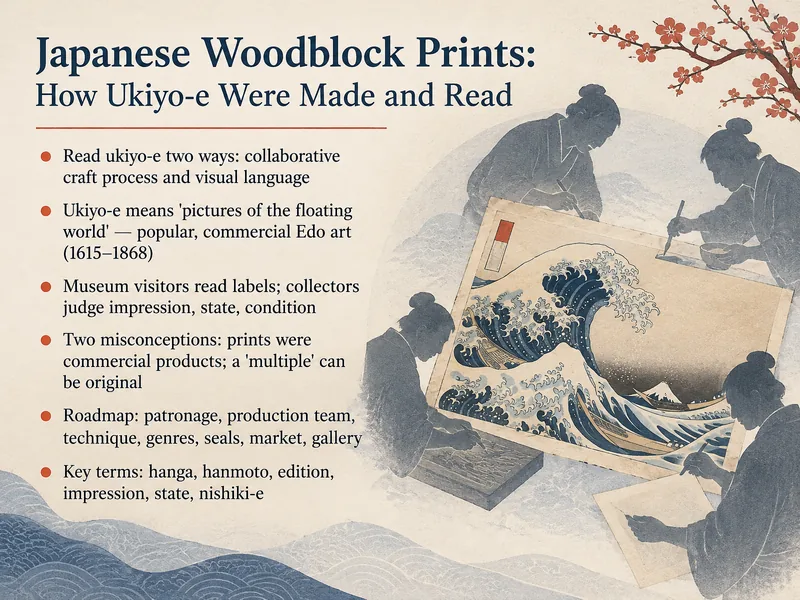
Japanese Woodblock Prints: Making and Reading Ukiyo-e
This training explores how Japanese ukiyo-e woodblock prints were produced and interpreted, guiding learners through the collaborative process and visual reading of these works.
14 slides·28 min
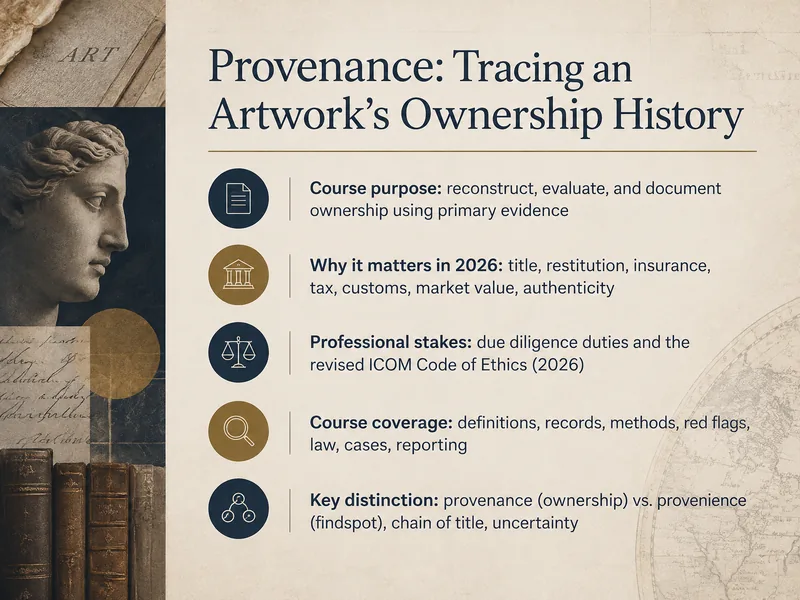
Artwork Ownership History
This training teaches art professionals how to trace an artwork's ownership history, covering provenance research methods and documentation standards.
14 slides·28 min
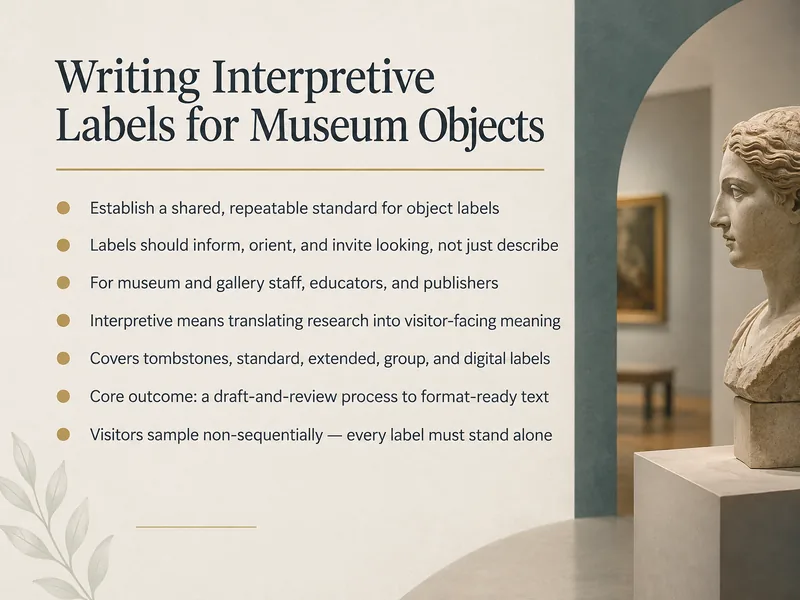
Museum Interpretive Label Writing
This training helps museum staff and volunteers write clear, engaging interpretive labels that connect visitors with objects and enhance their understanding of exhibits.
14 slides·28 min
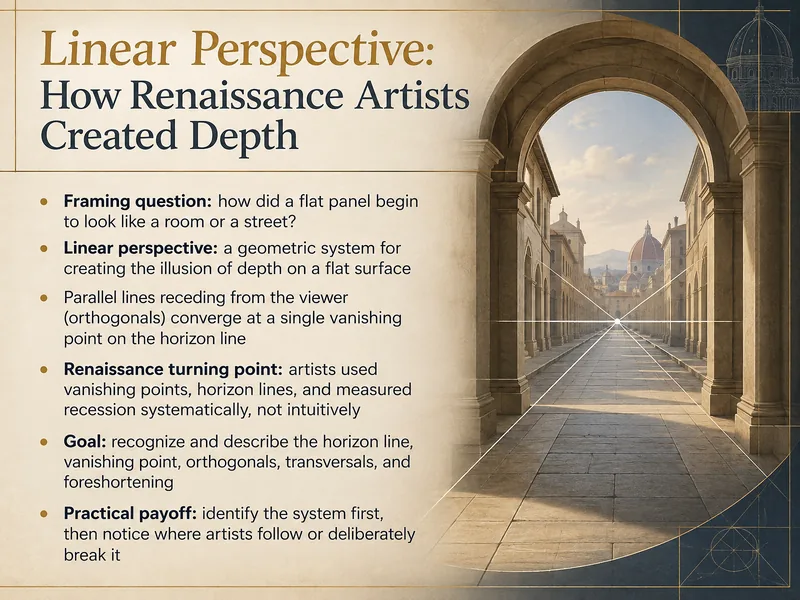
Linear Perspective in Renaissance Art
This training explores how Renaissance artists used linear perspective to create depth, teaching learners the core principles behind this foundational technique.
14 slides·28 min
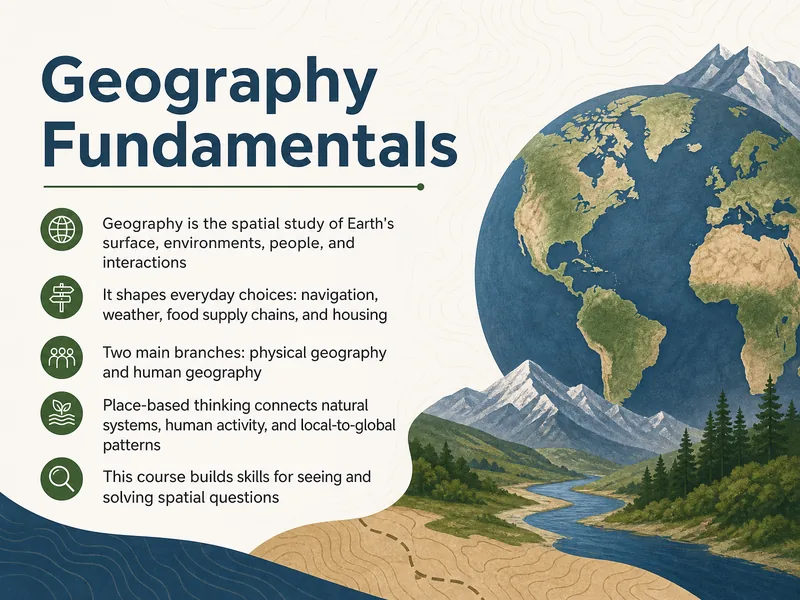
Geography Fundamentals
This training provides participants with a foundational understanding of geography, covering essential concepts, spatial thinking, and tools used to analyze the world.
14 slides·28 min
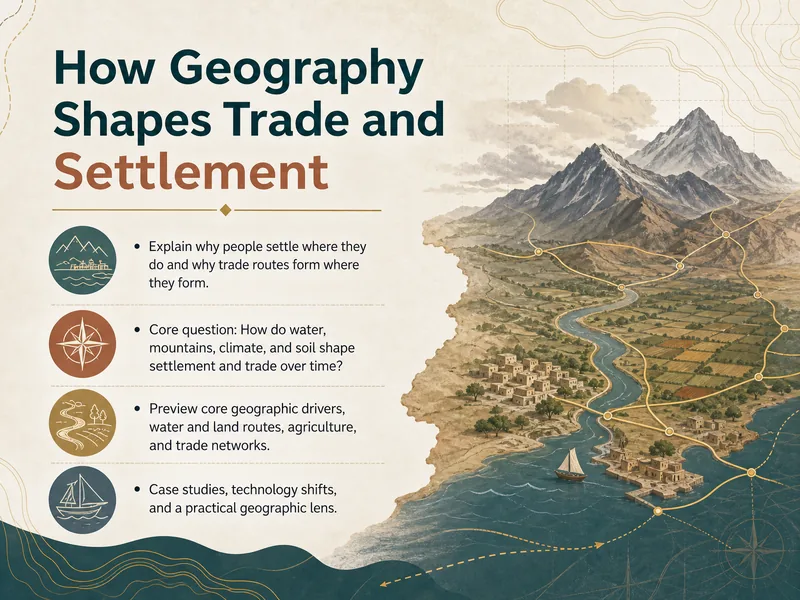
Geography Shapes Trade and Settlement
This course explores how geographic features influence trade routes, settlement patterns, and economic development in human societies.
14 slides·28 min
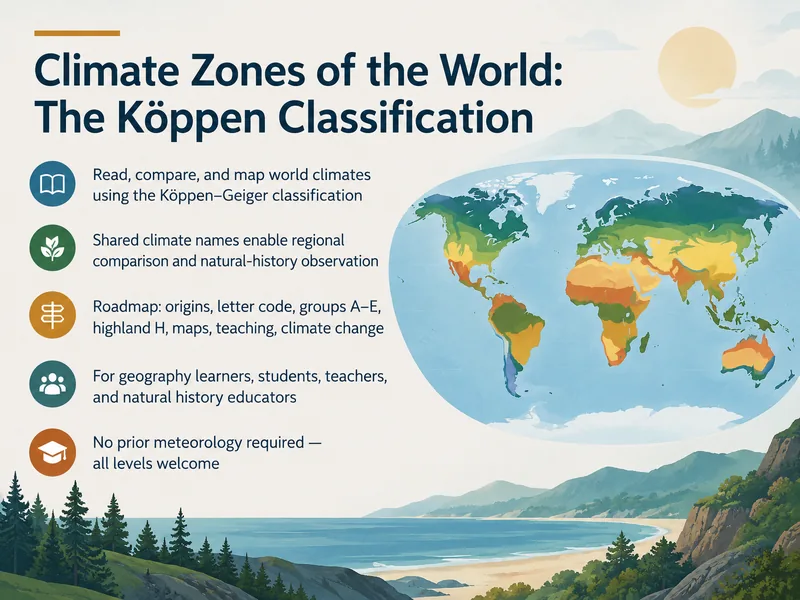
Köppen Climate Zones of the World
This training introduces the Köppen climate classification system, helping learners identify and interpret global climate zones. Ideal for students and professionals in geography, ecology, and environmental science.
14 slides·28 min